
Textile art is one of the oldest and most beautiful forms of handicraft, deeply rooted in human history and culture. From traditional embroidery to modern fabric design, textiles have always played an important role in daily life. They are not only used for clothing but also for decoration, artistic expression, and cultural identity.
In today’s creative world, textile design has evolved into a powerful form of art that combines tradition with innovation. Handmade textile creations bring uniqueness, elegance, and personal style to everyday items. Whether it is a beautifully embroidered piece or a handcrafted fabric decoration, textile art continues to inspire creativity across the world.
What Is Textile Art?
Textile art refers to the process of creating designs and patterns using fabric, threads, and fibers. It includes a wide range of techniques such as embroidery, weaving, knitting, printing, and dyeing. These techniques are used to create both functional and decorative items.
Unlike machine-made fabrics, handmade textile work reflects the skill and creativity of the artist. Each piece is unique and often carries cultural or personal significance. Textile art allows creators to experiment with colors, textures, and patterns to produce visually appealing designs.
Importance of Textile in Daily Life
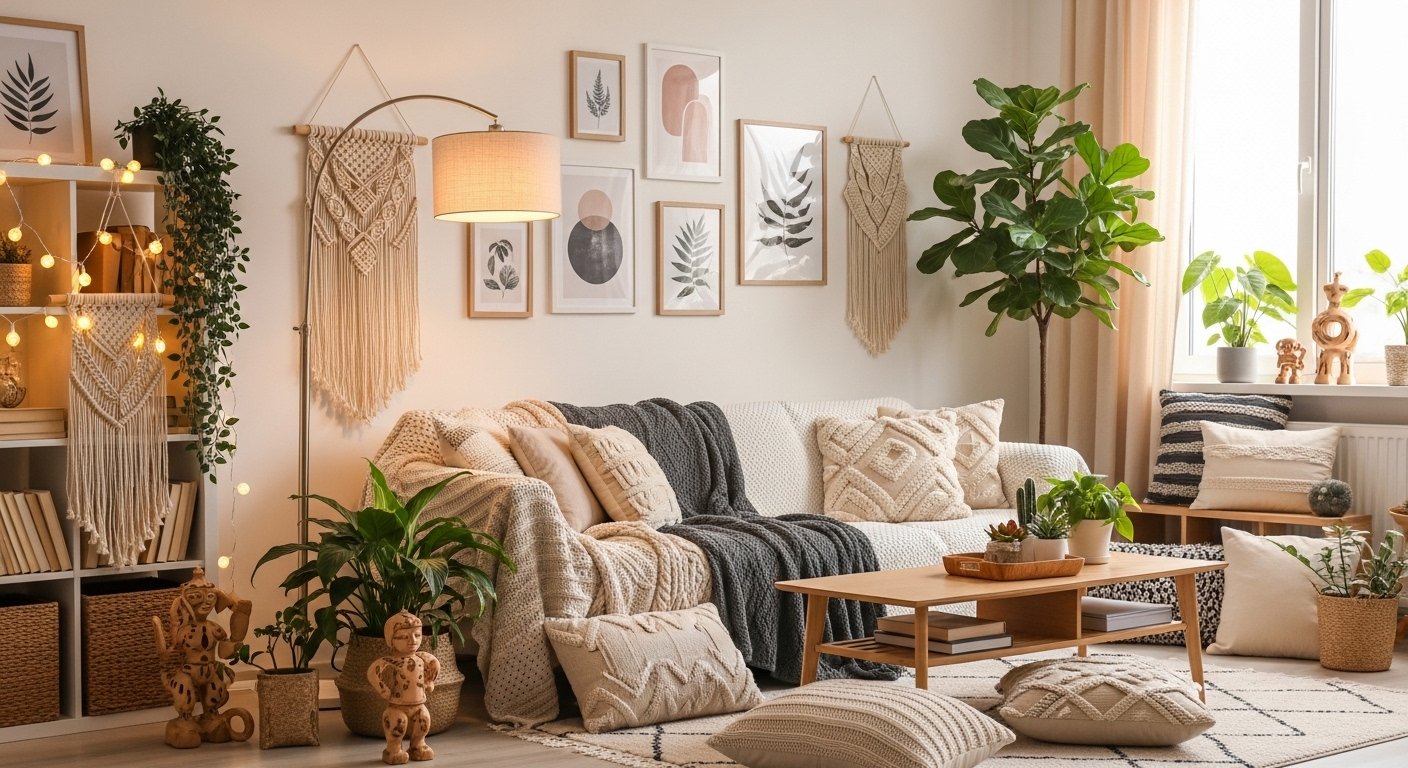
Textiles are an essential part of everyday life. From the clothes we wear to the fabrics used in home decor, textiles are everywhere. They provide comfort, functionality, and style, making them an important element of modern living.
In addition to their practical use, textiles also hold cultural value. Traditional textile designs often represent the history and identity of a region. By preserving and promoting these designs, we keep cultural heritage alive.
Textile art also contributes to creativity and innovation. Designers constantly experiment with new techniques and materials to create modern and stylish fabric designs that meet the needs of today’s world.
Popular Types of Textile Crafts
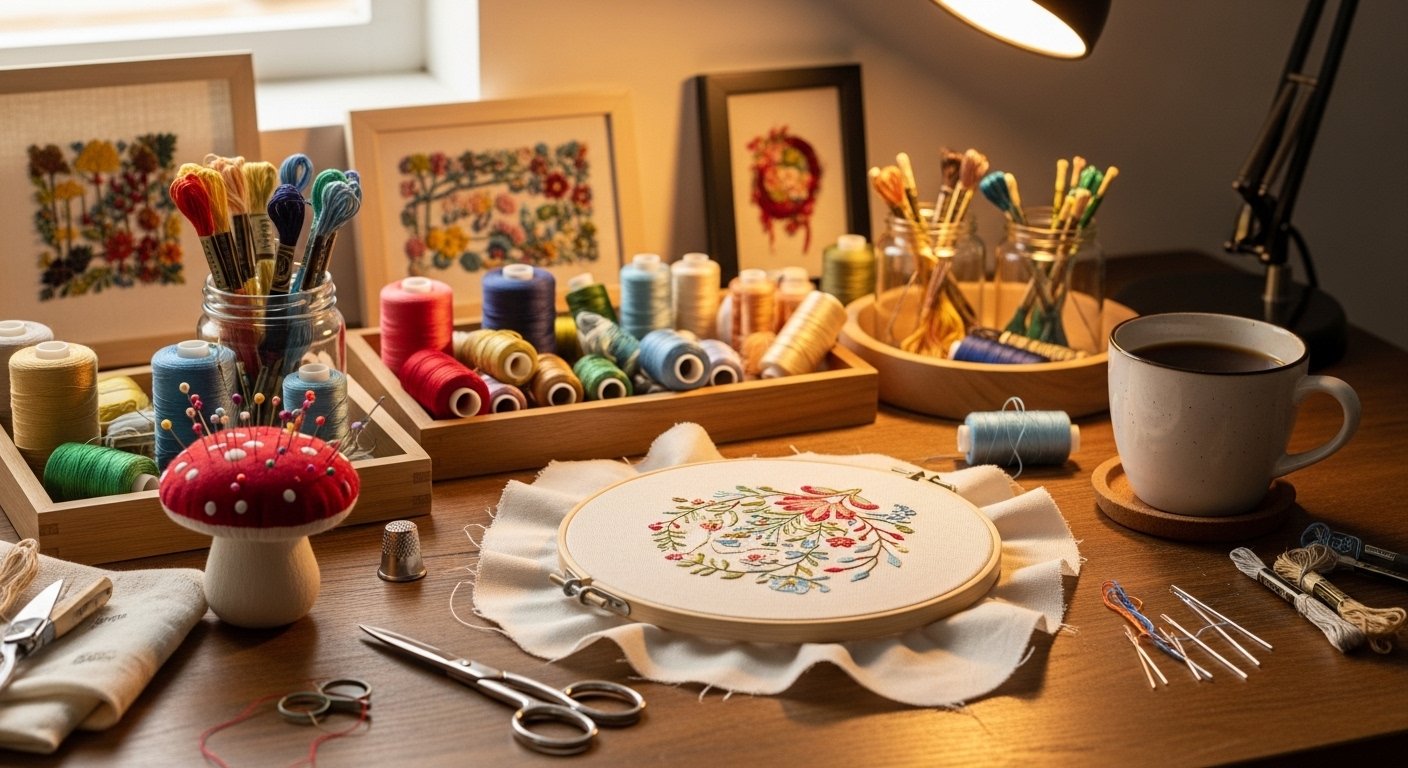
There are many types of textile crafts that people can explore. Embroidery is one of the most popular forms, involving decorative stitching on fabric to create patterns and designs. It is widely used in clothing, accessories, and home decor items.
Weaving is another traditional technique where threads are interlaced to create fabric. This method has been used for centuries and continues to be an important part of textile production.
Fabric painting and printing are also widely practiced. These techniques allow artists to create colorful and detailed designs on fabric using paints or printing methods. Similarly, knitting and crochet involve creating fabric using yarn and needles, producing items like scarves, sweaters, and blankets.
Each of these textile crafts offers unique creative possibilities and allows individuals to express their artistic skills.
Benefits of Textile Crafting
Textile crafting offers many benefits, both creatively and practically. One of the main advantages is the ability to create personalized items. Handmade textile products can be customized according to individual preferences, making them more meaningful and special.
Another benefit is relaxation and stress relief. Working with fabric and threads can be a calming activity that helps reduce anxiety and improve focus. It allows individuals to engage in a creative process that brings satisfaction and joy.
Textile crafting also provides opportunities for skill development. It improves hand-eye coordination, patience, and attention to detail. These skills are valuable not only in crafting but also in everyday life.
How to Start Textile Crafting
Starting textile crafting is easier than it may seem. Beginners can begin with simple techniques such as basic embroidery or fabric painting. These methods require minimal tools and are easy to learn.
It is important to practice regularly and experiment with different designs and materials. Learning from tutorials and experienced creators can help improve skills and inspire new ideas. Over time, you can explore more advanced techniques and develop your own unique style.
Having a dedicated workspace and the right tools can also make the process more enjoyable. Keeping materials organized helps maintain focus and efficiency while working on projects.
Textile as a Business Opportunity
Textile crafting is not only a creative hobby but also a valuable business opportunity. Handmade textile products are highly popular due to their uniqueness and quality. Many people prefer handcrafted items over mass-produced ones because of their authenticity and personal touch.
You can start a textile business by creating unique designs and promoting them online. Social media platforms and e-commerce websites provide excellent opportunities to reach a global audience. With creativity and consistency, textile crafting can become a successful source of income.
Future of Textile Art
The future of textile art is full of possibilities as new technologies and creative ideas continue to emerge. Digital textile printing and modern design tools are expanding the scope of textile creativity. At the same time, traditional techniques remain valuable and continue to inspire modern designs.
Sustainability is also becoming an important focus in textile production. Many designers are now using eco-friendly materials and processes to create environmentally responsible products. This trend is expected to grow in the coming years.
Conclusion
Textile art is a beautiful blend of tradition, creativity, and functionality. It plays a significant role in our daily lives while offering endless opportunities for artistic expression.
Whether you are creating simple fabric designs or exploring advanced textile techniques, this field allows you to develop your skills and express your creativity. Handmade textile work adds value, uniqueness, and beauty to both personal and professional projects.
Start your textile journey today and discover the endless possibilities of fabric and design.