
Introduction
Colonial house style is a timeless design known for its symmetry, simple elegance, and historical charm. With roots in 17th-century America, this architectural form continues to influence modern homes, offering both a classic look and practical structure.
In this article, we explore how to build or renovate a colonial house style and add your own personal touches. Whether you want to create one from the ground up or update an existing space, you’ll gain helpful tips for making this traditional design fit today’s lifestyle.
Understanding Colonial House Style Basics
Classic Features
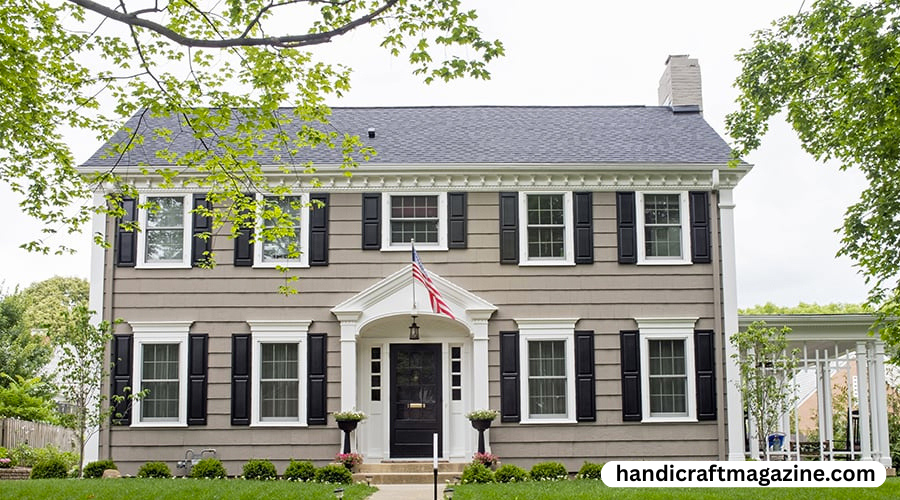
The colonial style features symmetrical facades, multi-pane windows, and a central front door. These homes often use brick, wood, or clapboard siding. Rooflines are steep and gabled, and interiors feature centered staircases and balanced layouts.
Popular Subtypes
Common variations include Georgian, Federal, Dutch Colonial, and Spanish Colonial. Each has its own unique influences, but all maintain a focus on order and balance.
How to Build a Colonial House Style
Site Planning
Choose a spacious plot that allows for a symmetrical footprint. Colonial homes typically have two stories, so proper zoning and foundation work are key.
Materials and Structure
Use traditional materials like wood siding, brick, and stone. Install double-hung windows and central chimneys. For roofing, opt for shingles or tiles in muted tones.
Interior Layout
Design your layout around a central hallway. Include formal living and dining rooms, with bedrooms placed on the second floor. Aim for a classic but comfortable feel.
Customizing the Colonial Look
Blend Old and New
Modernize your colonial home with smart lighting, updated kitchen layouts, and comfortable furnishings. Choose fixtures that reflect the era while offering modern functionality.
Color Schemes
Stick with neutral palettes like cream, taupe, navy, and white. These tones enhance the colonial look while allowing you to add character through art and textiles.
Furnishing and Decor
Use handcrafted wood furniture, vintage rugs, and framed prints. Incorporate modern pieces sparingly to avoid clashing with the traditional aesthetic.
Outdoor Elements for Colonial Style
Landscaping Ideas
Frame the house with symmetrical garden beds, brick walkways, and lantern-style lighting. Colonial homes look best with structured landscaping that mirrors their clean lines.
Entryways and Doors
Install a solid wood front door with classic brass hardware. Add sidelights or a fanlight above the door to highlight the architectural style.
Care Tips for Longevity
Keep up with regular maintenance, especially on wood siding and windows. Repaint every 5-10 years, clean gutters, and check roof tiles for wear. Maintain historical features like moldings and mantels for long-term value.
Adding Personal Touches Without Losing Style
You can add personality while preserving colonial charm. Introduce subtle patterns in upholstery or curtains, install built-in bookshelves, or add a fireplace with decorative molding. Stay consistent with the home’s lines and materials for a unified look.
Personalizing Colonial House Style with Modern Touches
While colonial homes embrace timeless design, incorporating modern accents can add personality and comfort. Consider updating kitchen cabinetry with sleek hardware or introducing minimalist lighting fixtures. Adding glass doors or large windows can bring in natural light without compromising the symmetrical charm. Many homeowners choose bold paint colors for the front door to contrast with traditional exteriors. Inside, blend antique furnishings with contemporary decor like abstract art or layered textiles. These thoughtful touches allow you to enjoy the elegance of colonial style while making the space feel uniquely yours.
Conclusion
Creating or updating a colonial house style lets you enjoy timeless architecture with modern comfort. By understanding the core features and carefully customizing elements, you can build a home that reflects both history and your own lifestyle.
Explore more home design inspirations on HandicraftMagazine.com to bring your creative vision to life.
